
Bonus Buy Slots in the UK: Demo, Features and Volatility
 Available in GB
A practical look at demo testing, bonus-round design and how buying a feature can shape a slot session.

Table of Contents
- Try Bonus Buy Slots in Demo Mode
- What a Bonus Buy Feature Changes
- Bonus Buy Slots and Volatility: What Your Session May Feel Like
- Where Bonus Buy Slots Fit in UK Online Casinos
- Free Play Is for Testing, Not Winning
- Slot Games, Reels and Bonus-Round Design
- How to Buy a Slot Bonus Without Losing Track of the Stake
- Finding Games That Let You Buy the Bonus
Try Bonus Buy Slots in Demo Mode
A demo is useful when you want to judge a bonus-buy feature before choosing a game for real-money play. It lets you explore the game with a fictional balance, so you can see how the feature is presented and what happens after you select it without staking your own money. The balance is not cash, cannot be withdrawn and does not produce a payout.
Treat the demo as a way to inspect the experience, not as a preview of what you will earn. A bonus round can look attractive on screen, but its animation is not evidence of likely results. What matters during a test is whether the feature is clear enough for you to understand, whether the controls behave as you expect, and whether the round itself holds your interest.
What to examine during a demo
Start by checking whether the bonus-buy option is actually available in the demo version. Some games may show the feature only in real-money mode, or make it unavailable in particular settings. If the option is missing, do not assume that the game lacks it altogether; check the game information or try another permitted version. If the demo does not let you test the feature, it cannot answer the question you came to ask.
When looking for bonus buy slots in the UK, it helps to consider practical details alongside the games. Use this list as a starting point and check the details that matter to you before choosing.
Payout speed: 1-3 business days Dieselwin lists a payout speed of 1–3 business days. You can use this as a practical detail to consider when reviewing the operator.
Payout speed: 1-3 business days Britsino lists a payout speed of 1–3 business days. You can keep this in mind as you assess whether the operator suits your needs.
Payout speed: 1-3 business days EvoSpin lists a payout speed of 1–3 business days. This gives you one concrete detail to consider when looking into the operator.
Payout speed: 1-3 business days WinBeast lists a payout speed of 1–3 business days. You can factor this into your own assessment of the operator.
Payout speed: 1-3 business days SpinFormula lists a payout speed of 1–3 business days. This is a useful practical detail for you to note while researching the operator.
Payout speed: 1-3 business days NightWin lists a payout speed of 1–3 business days. You can take this into account when deciding whether to explore the operator further.
Payout speed: 1-3 business days Revery Play lists a payout speed of 1–3 business days. This gives you a concrete point to consider as you review the operator.
Payout speed: 1-3 business days Zombillion lists a payout speed of 1–3 business days. You can use this practical detail as part of your research.
Payout speed: 1-3 business days Amunbet lists a payout speed of 1–3 business days. You can bear this in mind when considering the operator.
Payout speed: 1-3 business days BeOnBet lists a payout speed of 1–3 business days. This gives you one practical detail to weigh up when researching the operator.
When the option is available, read its on-screen description before selecting it. Look for an explanation of what the purchase activates and how the game presents the cost. The wording should make it possible to distinguish the bonus-buy choice from an ordinary spin. If you cannot tell what you are selecting, that is useful information in itself: the interface may not suit you, even if the game looks appealing.
Then play through the bonus round and note how it works. Watch for the choices you are asked to make, how wins are displayed, and whether the rules are easy to follow without rushing. You are evaluating the design, not trying to predict the next result. A demo can show the sequence of a round; it cannot show what a real-money session will return.
Pay attention to the pace and presentation. Does the round give you enough time to understand what is happening? Are the instructions readable? Do animations make the result clearer, or merely longer? These details matter because buying a feature skips the ordinary route into the bonus and puts the round itself in the foreground. If the presentation feels confusing in demo mode, spending money will not make it clearer.
Compare games by the same criteria
If you are looking at several bonus-buy video slots, use a simple comparison rather than relying on the most dramatic demo. You might note whether the feature was available, how clearly its terms were explained, how easy the controls were to use, and whether the bonus round was enjoyable to follow. Keep the same criteria for every game. Otherwise, a flashy animation can end up doing the work of a proper comparison.
A short table can help:
| What to assess | What to notice |
|---|---|
| Availability | Can you activate the bonus-buy option in demo mode? |
| Clarity | Is the feature explained before you select it? |
| Controls | Can you tell which option you are choosing? |
| Bonus-round design | Are the rules and results easy to follow? |
| Overall fit | Does the presentation suit what you want from a game? |
The result depends on your priorities. If clear instructions matter most, the better choice is the game whose feature is easiest to understand. If you care more about the bonus round’s presentation, compare how each round unfolds. “Best” has no single meaning here: a demo helps you identify the game that fits your own criteria.
Keep the limits of the test in view. Demo balances are fictional, so a purchase made with them is not a real stake, and any displayed result is not money owed to you. The demo may let you explore the feature, but it does not establish how the game will behave in a real-money session or promise a similar outcome. A favourable run is still just a demo run. Nothing to bank.
Before settling on a game, make sure the demo gave you enough information to make a considered choice. If the bonus-buy option was unavailable, the instructions were unclear or the round was difficult to follow, leave that uncertainty unresolved rather than filling it with assumptions. A demo is most useful when it helps you rule out a poor fit as well as recognise a good one.
Attention: A favourable run in demo mode is still just a demo run and does not establish how the game will behave in a real-money session.
What a Bonus Buy Feature Changes
In a standard slot, a bonus round becomes available when the game’s rules trigger it during ordinary spins. A bonus buy changes that sequence: if the option is offered, you can pay to enter the feature rather than wait for the trigger. The purchase is a separate choice from making another spin.
That distinction is the core of what bonus buy slots are. The feature does not make the bonus round a guaranteed profit; it changes how you reach it. You are choosing to pay for access to a particular part of the game, with the result still determined by the slot’s rules and outcome.
A different route into the same feature
Without a purchase option, you stake on ordinary spins and wait for the required in-game event. It may arrive, or it may not arrive during the time you play. With a buy bonus feature, the game presents another route: pay the stated cost and move directly to the relevant bonus round, if the feature is available.
The two routes therefore differ in timing and in how your stake is used. Ordinary play spreads your stake across spins while you wait for the game to trigger its feature. A purchase puts the cost of entry into that decision at once. The display for the particular game is the place to check what the purchase costs and what it activates; the wording and available options can vary from slot to slot.

A buy feature is not necessarily a way to select every bonus round in a game. Some slots may offer a purchase for a particular feature, while others may not offer one at all. Read the on-screen description before choosing: it should explain which round the option opens and how the purchase is applied. If that information is unclear, there is no reason to treat the button as self-explanatory.
The bet still belongs to the slot
A slot’s reels and stake rules remain relevant when a bonus is bought. In a 5 reel slot game, a bet can be applied across all five reels. That helps explain why a displayed stake is not simply a label for one reel: the game’s bet may cover the full reel set, according to its own configuration.
The purchase option sits alongside those game mechanics; it does not turn the slot into a different type of game. Before confirming, check the current bet and the purchase terms shown in the game. The cost may be presented in relation to the stake, so changing the stake can affect what the feature costs. Do not assume that a purchase amount shown in one configuration will apply after you adjust your bet.
The cost of a bonus purchase may be presented in relation to the stake, meaning that adjusting your bet can change the feature’s price.
There is also a practical difference in how you approach the decision. Waiting for a trigger means continuing with ordinary spins under the game’s normal rules. Buying means committing the displayed purchase cost to enter a bonus round now. Neither route changes the need to understand the stake attached to your play.
What the feature does not promise
A bonus buy button is an access option, not a forecast of the result. It does not tell you what the bonus will return, nor does paying for entry mean that the round will produce a win. The feature’s description explains the route into play; it cannot make the outcome certain.
For that reason, compare the two routes by the criterion that matters to you: whether you prefer to wait through ordinary spins or pay the stated cost for direct entry. There is no single best bonus buy feature for every player. The useful distinction is simple: one route waits for the game to trigger the bonus, while the other purchases access to it. The game still decides the result.
Bonus Buy Slots and Volatility: What Your Session May Feel Like
Volatility describes the pattern of a slot’s returns, not a promise about what your next spin will do. In low-volatility games, returns tend to arrive as smaller wins more often. High-volatility games tend to pay less frequently, with larger wins when they do land. Neither pattern tells you when a win is due.
That difference shapes the feel of a session. A low-volatility game may produce frequent small returns that break up losing runs, while a high-volatility game can have longer quiet stretches. A larger win in the latter may make a marked difference to the balance, but it is not assured. Frequent wins are not the same as frequent profits.

Across most low-volatility titles, winning combinations occur on average every three to six spins. That is a broad pattern, not a timetable for an individual session: a run may contain several combinations close together or none for longer. The average cannot tell you when the next one will arrive. Random outcomes do not keep appointments.
What a bonus buy changes — and what it does not
A bonus-buy option can make volatility more noticeable because it gives you a way to enter a bonus round directly rather than waiting for it to trigger during ordinary play. The round’s possible outcomes still vary. Buying entry does not turn a volatile game into a predictable one, nor does it ensure that the bonus will return the amount spent.
The difference between low and high volatility remains useful when you consider the likely rhythm of play. A lower-volatility game may offer more regular small returns across ordinary spins; a higher-volatility one may concentrate more of its potential returns in less frequent outcomes, including bonus play. But the label is a guide to the distribution of outcomes, not a forecast for the next bonus.
For a fair comparison, look at what matters to your session: how comfortable you are with long stretches without a return, and whether smaller, more frequent wins suit you better than the possibility of less frequent, larger ones. The better fit depends on your preference, not on a universal ranking. A bonus buy can bring the bonus round forward, but it cannot remove the uncertainty around its result.
Volatility and Bonus Buys
- Volatility describes the pattern of returns, not a promise of a specific result.
- Buying entry to a bonus round does not remove the uncertainty of the outcome.
- High-volatility games may have longer quiet stretches but potentially larger wins.
- Volatility is a guide to the distribution of outcomes, not a forecast for the next bonus.
The mathematical limit
Volatility describes how returns are distributed; it does not change the underlying mathematical disadvantage of a game with a positive house edge. Over enough sessions, such a game has a negative mathematical expectation, even if losses accumulate gradually and individual sessions include wins. A run of small returns can soften the feel of play without reversing that expectation.
This matters when a session appears steady. Frequent combinations may keep the balance moving, but they do not establish that the game is profitable or that a larger outcome is approaching. Equally, a quiet spell does not mean a win is owed. Each result remains uncertain.
Use volatility as a way to anticipate the pace and size pattern of returns, not as a method for predicting them. If you choose a bonus-buy slot, the volatility can help you judge whether its possible rhythm suits you; it cannot tell you how the session will finish.
Where Bonus Buy Slots Fit in UK Online Casinos
A casino that offers bonus-buy slots is more than a lobby with a purchase button. You are choosing an operator to hold your account, process your deposits and withdrawals, and provide the games. The useful comparison is therefore not simply “does it have bonus buys?” It is whether the casino is authorised to serve you, whether its account terms are clear, and whether the games you want are actually available there.

Start with the operator’s UKGC authorisation
The UK Gambling Commission (UKGC) regulates commercial gambling in Great Britain, including remote gambling offered to people there. The location of a casino’s servers or other key equipment does not remove that requirement. A business offering real-money gambling to consumers in Great Britain needs the relevant UKGC operating licence; the Commission also issues personal licences to individuals working in specified roles.
Before depositing, find the casino’s stated licence details and check the operator on the UKGC public register. Search for the legal business name, rather than relying only on a brand name, and compare the register entry with the operator information on the casino site. If the register does not clearly support the claim that this business is authorised to serve Great Britain, do not treat a logo or a licence statement in the footer as proof.
This check matters for a bonus-buy casino just as much as for any other real-money casino. A site may display familiar slot artwork or describe itself as UK-facing; neither fact establishes that it holds the required licence. An offshore casino without a UKGC licence sits outside the British regulatory system. The relevant test is the operator’s authorisation, not how polished its pages look.
Look beyond the game catalogue
Once you have checked the operator, assess the account and service around the games. Read the terms for deposits, withdrawals, identity checks, account closure and complaints. The language should make clear which business you are dealing with and where to find help if a transaction or account decision is disputed. A long terms page is not automatically a problem; unclear ownership or rules that are hard to locate are more useful warning signs.
UKGC Licence
If an operator is not authorised by the UK Gambling Commission to serve Great Britain, it sits outside the British regulatory system.
UKGC-licensed casinos must offer an internal complaints process and access to an approved Alternative Dispute Resolution service. Check that the casino explains how to make a complaint and identifies the route for taking an unresolved dispute further. You are not looking for a promise that every disagreement will go your way. You are checking that a defined process exists.
Review the account controls before funding the account, too. Remote operators must prompt new customers to set a financial limit before their first deposit and provide accessible account-level limit controls. Licensed casinos must also provide responsible-gambling tools, including self-exclusion. These are practical features, not decorative statements in a footer: you should be able to find the controls and understand what they do before you need them.
Payment rules are another part of the operator check. UK-licensed casinos cannot accept credit cards for gambling. They also cannot accept wallet payments where the wallet allows credit-card funds to be used for gambling. If a payment option is described vaguely, check the casino’s explanation rather than assuming that a familiar wallet makes every funding route permissible.
Age verification belongs in the same checklist. Operators must verify a customer’s age before allowing them to deposit funds into a gambling account. A site that appears to let you fund an account without that check is not demonstrating a convenient shortcut; it is raising a question about how it handles a basic safeguard.
Treat bonus-buy availability as an operator-and-game question
A casino can be properly licensed without offering every game or every feature you have seen elsewhere. Availability depends on the titles carried by that casino and on the options enabled within each title. So “casino with bonus buy” is not a permanent property you can infer from a homepage banner. Check the current game information and the casino’s own help pages, then confirm the feature inside the game before staking real money.
The operator’s lobby can help you narrow the search, but its labels are not a substitute for checking the actual game. A “bonus” category may include ordinary free-spin rounds, promotional offers or other features that are not a paid in-game bonus. If the casino describes a bonus-buy option, look for an explanation of its cost and how the purchase is made. Avoid assuming that similar-looking games work identically.
- Verify the operator’s legal name on the UKGC public register
- Confirm age verification and account limit controls are accessible
- Check for a defined internal complaints and ADR process
- Use the game’s own rules to confirm bonus-buy availability
- Rely on a licence logo in the footer as sole proof of authorisation
- Assume a “bonus” category automatically includes paid bonus buys
- Use credit cards for gambling in UK-licensed casinos
- Infer feature availability from a casino’s homepage banner
Also distinguish a game feature from a casino promotion. A bonus-buy function belongs to a slot’s design; a welcome offer or deposit promotion is an operator’s offer governed by separate terms. If the casino promotes both on the same page, read each set of conditions on its own. Do not infer that a promotional balance can be used for every in-game purchase unless the terms say so.
A useful comparison table can keep the checks in view:
| Check | What to confirm |
|---|---|
| Authorisation | The operator’s legal name and licence details match the UKGC public register |
| Account safeguards | Age verification, limit controls and self-exclusion are explained and accessible |
| Complaints | An internal process and approved ADR route are stated |
| Payments | The casino’s payment methods comply with the UK rules on credit-card gambling |
| Games | The specific slot and its bonus-buy option are currently available at that casino |
This approach separates regulatory suitability from game choice. A site may meet the first test but not carry the title you want; another may list the title but fail the authorisation check. The better choice depends on your criterion, and licence status should come before catalogue convenience.
What the licence does—and does not—tell you
A UKGC licence establishes that the operator is within the British regulatory framework for the relevant activity. It does not mean that every game will suit your preferences, that a bonus-buy feature will produce a return, or that an account will be free from ordinary verification checks. Treat regulatory status as a threshold for considering a real-money casino, not as a recommendation to play.
The same distinction applies when comparing casino sites with bonus-buy slots. The operator’s licence is one decision; the game’s design and the casino’s current catalogue are separate decisions. Keep them in separate columns rather than letting an attractive feature answer questions it cannot answer.
If you cannot verify the operator in the public register, pause before depositing. If you can verify it, continue by checking the account rules, safeguards, complaint route and game availability. That is a more dependable basis for choosing a UK bonus-buy casino than a prominent claim on a landing page. A licence is the entry check.
Free Play Is for Testing, Not Winning
Free play means using a slot with a fictional balance rather than staking money from your gambling account. That distinction still applies when the game includes a bonus-buy option: selecting the feature in a free-play version does not turn the session into real-money gambling, and any balance shown on screen remains simulated.
The same visual elements may appear in free and paid versions: reels, a balance, a bonus feature and changes to that balance after a play. The display can look convincing. It does not represent cash you own. Free-play bonus-buy slots do not award cash payouts, and a displayed win cannot be withdrawn or transferred into a real-money account.
| Free play | Real-money play |
|---|---|
| Uses fictional funds | Uses money you stake |
| Any displayed balance is simulated | Results affect your gambling balance |
| No cash payout is awarded | A cash result may be credited under the game and operator’s rules |
The key difference is not the artwork or the presence of a bonus feature. It is whether actual money is at stake and whether a result can be paid as cash. A game labelled “free” should therefore be understood as a way to play without a cash stake, not as a route to a withdrawable prize.
This matters when comparing bonus-buy slots for UK players. A free-play version may let you access a bonus feature using its fictional balance, but that experience says nothing about earning money. It also should not be treated as a promise that the same selection, price or presentation will be available in a real-money version. The versions may be offered in different settings, so read the game and operator information rather than assuming they are identical.
“Best free-play bonus-buy slots” can only mean best for a non-cash purpose, such as seeing how a game presents its feature. It cannot mean best for winning: free play has no cash payouts to win. The criterion matters. If you want a no-stake experience, fictional funds serve that purpose; if you want a real-money game, free play is not a substitute.
Free-play bonus-buy slots use simulated funds and do not award cash payouts, regardless of the on-screen balance or animations.
Keep that boundary clear if the game displays a growing balance or celebratory animations. Those are part of the presentation, not evidence of a payable return. Free play is entertainment with simulated funds. Real money is a different activity, with financial consequences and the protections and rules that apply to gambling.
A free-play bonus-buy slot can still be enjoyable as a game. Just do not count its on-screen balance as money, or mistake a simulated result for a prize. No cash changes hands.
Slot Games, Reels and Bonus-Round Design
A slot’s visual theme tells you little about its underlying design. Reel count, paylines, jackpot structure and bonus-round mechanics give you a more useful set of criteria when comparing bonus buy slot games. These features describe how a game is built; they do not, by themselves, tell you whether its bonus-buy option will suit your preferences.
Low-volatility games commonly use 5 reel slot games layouts with at least twenty-five paylines. The reels provide the familiar grid, while paylines define which symbol arrangements count as winning combinations. More paylines can make the layout busier, but the number alone is not a measure of a game’s quality. Check how the game presents its winning patterns and whether the rules make them easy for you to follow.

Jackpots offer another design distinction. Low-volatility slots tend to use fixed jackpot amounts rather than progressive pools that grow as players contribute. A fixed prize is set within the game’s structure; a progressive prize changes as the pool grows. That difference affects the jackpot model, not whether the game has a bonus-buy feature. For a clear comparison, keep those criteria separate.
Bonus rounds in low-volatility games often use multipliers applied to wins accumulated during the feature. The multiplier changes the value of those wins according to the round’s rules. Read the game information to see how the bonus is structured and what the multiplier applies to. A multiplier is not a promise of a particular result; it is one element of the game’s design.
When looking at slot games where you can buy a bonus, treat the purchase option and the bonus-round mechanics as separate questions. The option concerns access to the feature; the game design describes what happens within it. A title’s reel layout, paylines or jackpot structure cannot establish that a bonus can be bought. Confirm the feature in the game’s own information rather than inferring it from the appearance of the reels.
This distinction also helps when comparing new bonus-buy slots with familiar designs. Start with the structure you can verify: reel layout, payline arrangement, jackpot type and the way the bonus uses multipliers. Then consider the purchase option separately. No single layout is automatically the better choice; the useful comparison depends on which design characteristics matter to you. Clear criteria beat a flashy grid.
Commonly 5 reels in low-volatility games, providing a grid for symbol arrangements.
Define which symbol combinations count as wins; more lines can make the layout busier.
Low-volatility slots often use fixed prizes rather than progressive pools.
Often used in bonus rounds to change the value of accumulated wins according to game rules.
How to Buy a Slot Bonus Without Losing Track of the Stake
Treat a bonus buy as a stake decision, not a shortcut to a result. Before confirming, check the price shown in the game and consider whether losing that amount would still fit the spending limit you set for yourself. The feature does not make a bonus round profitable or guarantee a return.
In Great Britain, the amount staked in an online slot game cycle is subject to an age-based cap. A specialist gambling review describes the limit as £2 per cycle for players aged 18 to 24, and £5 for those aged 25 and over. These are maximums, not suggested stakes. A lower personal limit may be more appropriate for your budget.
When a game offers a purchase, check how its cost is treated in the displayed stake before proceeding. The relevant test is the total amount you stake in that game cycle, not just the ordinary spin amount shown elsewhere on screen. If the purchase would take the cycle beyond the applicable cap, do not try to get around the restriction; choose another option or leave the feature alone.
A simple decision check helps:
- Price: Can you afford to lose the full purchase cost?
- Limit: Does the total stake stay within the limit that applies to your age?
- Purpose: Are you choosing the feature for the bonus experience, rather than because you expect it to recover earlier losses?
If any answer is no, skip the purchase. A bonus buy changes how you enter a round; it does not change the financial risk of staking money. Keep your own session budget separate from the game’s maximum permitted stake, and stop when you reach it. The cap is not a target.
This distinction matters when comparing slots you can buy a bonus on: a game may offer the option, but that does not make its purchase suitable for your budget. The better choice is the one whose displayed cost fits your limit, not the one with the most tempting button. A button is not a budget plan.
Finding Games That Let You Buy the Bonus
A slot’s title or thumbnail does not tell you whether it offers a bonus-buy option. The reliable test is inside the game: open it, inspect its information and controls, and look for an explicit way to purchase entry to a bonus round. If you cannot find that option, do not assume it is available just because another slot from the same provider has one.
Start with the game’s help, paytable or rules panel. These sections explain how its bonus features work and may state whether a feature can be bought. Look for wording such as “Bonus Buy” or “Buy Feature”, but read the accompanying explanation rather than relying on a label alone. A feature might instead be described by the bonus round it unlocks. If the rules only explain how symbols can trigger that round during normal play, that is not confirmation that you can purchase entry directly.
Check the game, not just the listing
Casino game libraries may use short descriptions or badges to highlight features, but these are a starting point, not proof. A listing could omit details, and a feature name can be confused with an ordinary bonus round. Open the actual game and check what its own rules say. If the game is not available to you, or the option is missing from its interface, treat its availability as unconfirmed.
Verify Bonus Availability
- Check the game’s help, paytable, or rules panel for “Bonus Buy” wording
- Locate the explicit purchase button or menu item in the interface
- Read the description to confirm which specific feature is being purchased
- Verify the purchase cost is clearly stated before selecting
The game screen may have a dedicated button, menu item or feature panel. Its position and wording can vary, so scan the controls and help rather than expecting every slot to use the same layout. Some interfaces present the feature alongside the normal spin control; others explain it in the game rules. The key is that the game must clearly offer the purchase action. A bonus symbol, a “bonus” label or a description of a free-spin round does not, by itself, show that a bonus can be bought.
| What you see | What it tells you |
|---|---|
| The rules explicitly describe a purchasable bonus | Evidence that the game has a buy option |
| The rules describe only a symbol-triggered bonus | The bonus exists, but a buy option is not established |
| A casino listing uses a feature label | A reason to inspect the game, not a guarantee |
| No purchase control or explanation is visible | Do not assume the feature is available |
This simple check is more useful than a list of slots with buy bonus in the name of the page. Titles and features can change, and a list without a clear way to verify each entry can send you looking for an option that is not shown in your version of the game.
Confirm what the option applies to
Read the purchase description closely. It should identify the bonus or feature you are entering, not merely use broad promotional language. Check whether the game distinguishes between different bonus rounds or entry choices, and make sure you understand what the control will do before selecting it. If the wording is unclear, leave the control untouched and consult the rules or the casino’s game information.
The rules panel is also where you can check how the feature relates to the rest of the game. Do not infer that a buy option guarantees a particular result: purchasing access to a bonus is not the same as knowing what that round will return. The decision criterion is clarity. If you cannot tell which feature is being purchased, or how the game labels the action, you do not yet have enough information to proceed.
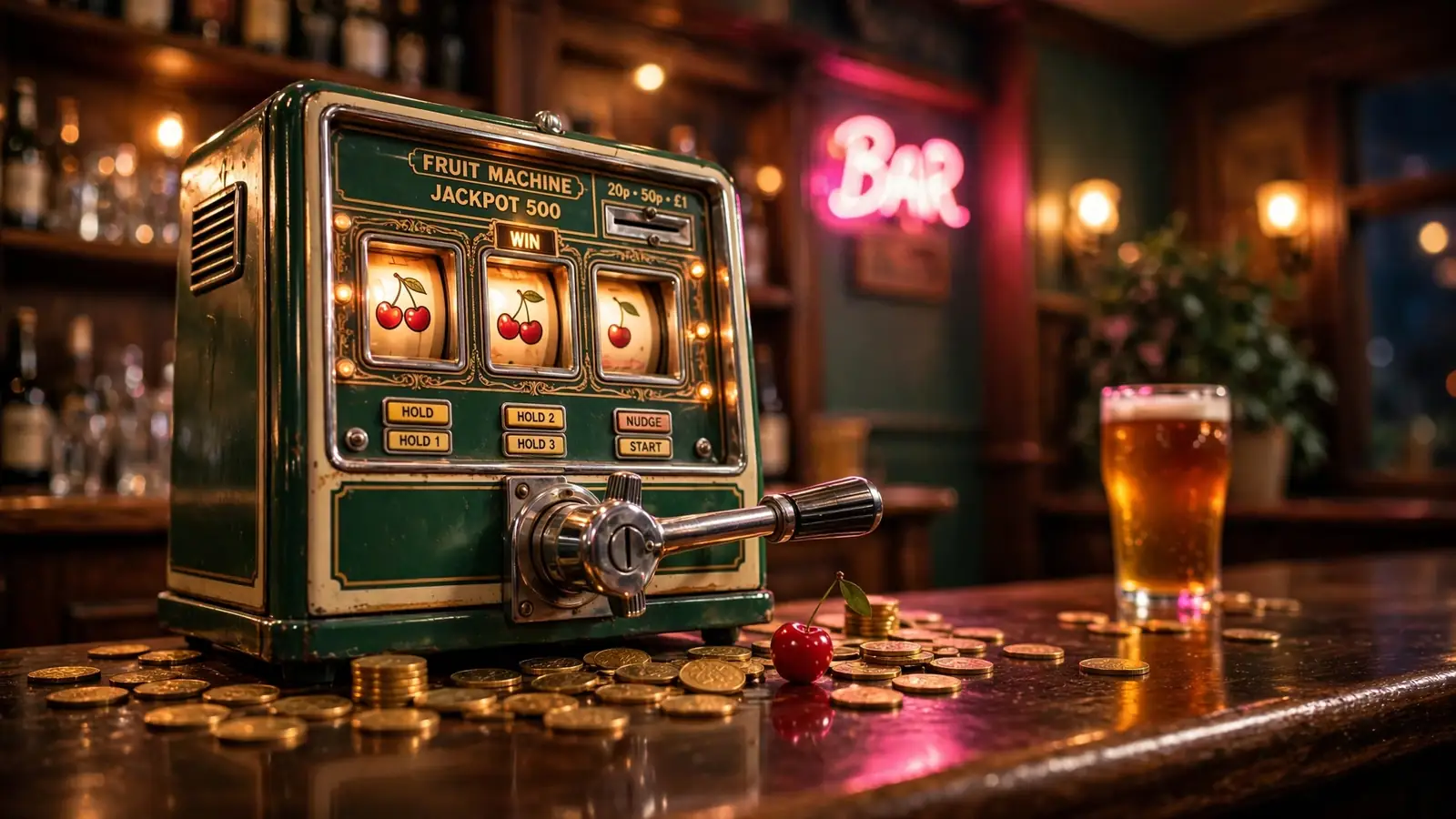
A demo version can help you become familiar with a game’s layout, but its presence does not prove that the real-money version offers the same controls. Treat “demo slots with bonus buy” and “free slots with bonus buy” as descriptions of a way to inspect a game, not as evidence of cash play or a cash prize. In free play, balances are fictional and no payouts are awarded. For the feature check, the useful question is simply whether the interface and rules visibly explain a buy option.
When a feature is hard to verify
If the casino’s listing and the game itself appear to disagree, give more weight to the rules and controls displayed in the game you can actually access. You can also check the casino’s game description or ask its support team to confirm whether that specific slot currently has the feature. Ask about the game itself, not just whether the casino offers slots with bonus buy; a general answer does not establish that a particular title includes the option.
Golden Sevens is a game name, not evidence of a bonus-buy feature. Do not infer that it has the option from its name or from a general slot list. Apply the same check: look for an explicit purchase explanation in the game’s rules or interface.
The clearest evidence is specific and visible: the game identifies the purchasable feature and provides a control for it. If either part is missing, mark the option as unverified rather than filling the gap with an assumption.
What are the online slot stake limits in Great Britain?
For online slots in Great Britain, the stake limit is £5 per game cycle if you are 25 or older, and £2 if you are aged 18 to 24. These limits do not apply to roulette or blackjack.
Are there restrictions on high-stakes gambling and feature buy-in slots?
Yes. Online slot stakes in Great Britain are capped at £5 per game cycle for players aged 25 and over, and £2 for players aged 18 to 24. A bonus buy is a separate purchase to enter a feature, so check the game’s on-screen description and cost before choosing it.
What are the most effective ways to maximize bonus value?
Use demo mode to compare whether the bonus-buy feature is available, how clearly its cost and rules are explained, and how easy the controls and bonus round are to follow. Treat the demo as a way to assess the game’s fit, not to predict returns: demo results do not promise similar outcomes with real money.
Created by the ”Doesnt-come-out.com” editorial team.